HOW TO AVOID TENDINITIS IN PADEL
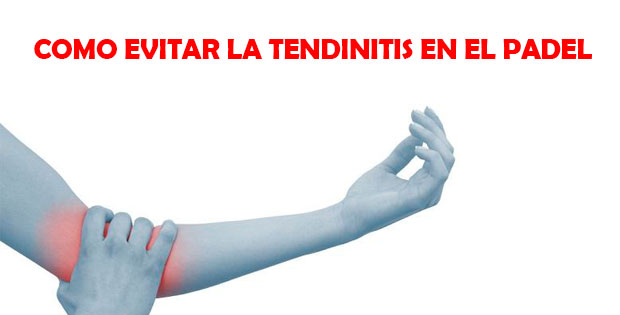
Tendonitis is one of the most common injuries in this sport. It is the inflammation of a tendon, which is the fibrous structure that connects muscle to bone. This inflammation will be accompanied by swelling of the tendon. It will cause pain and increased sensitivity around the joint.
Tendonitis is caused by
muscle overload or an injury. It can also occur due to another pathology or age, as tendons lose elasticity with aging, leading to tendon degeneration.
Tendonitis causes pain and sensitivity when moving the tendon. We must treat tendinitis properly; otherwise, the inflammation will persist for a long time, increasing the risk of injuries and possible ruptures.
Tendonitis can occur in any tendon, due to padel, it can affect:
-The elbow
-The heel
-The shoulder
-The wrist
Recommendations to avoid tendinitis
-We must do a
good warm-up before starting to play padel.
-Try to avoid repetitive movements that can overload the upper and lower body. In this case, since we are talking about padel and we do many repetitive movements, it is advisable to alternate these series with periods of rest and recovery.
-
Perform slow warm-up exercises before strenuous activity.
-Exercise all muscle groups to maintain flexibility and strength and avoid many muscle injuries.
-It is very important to maintain
good hydration.
-We must rest for a while to relax the affected tendon and help it recover.
-To relieve symptoms, you can apply cold or heat to the affected area.
Treatment to improve symptoms of tendinitis
-Apply ice to the elbow for 20 to 30 minutes every 3 to 4 hours for 2 to 3 days, until the inflammation subsides.
-Massage the elbow with frozen ice and rub the elbow for 5 to 10 minutes.
-Take an anti-inflammatory medication, but always with a medical prescription.
-Do the recommended exercises; physical therapy may be recommended.
-In severe cases, surgery may be necessary.
-You should stop playing or reduce the frequency of playing racket sports or other activities that repeatedly move the elbow until your symptoms disappear.
-If symptoms do not improve with ice, rest, and anti-inflammatories, you may need physical therapy.
If you are looking for a
racket to avoid epicondylitis, this post will interest you.