History of the World Padel Tour

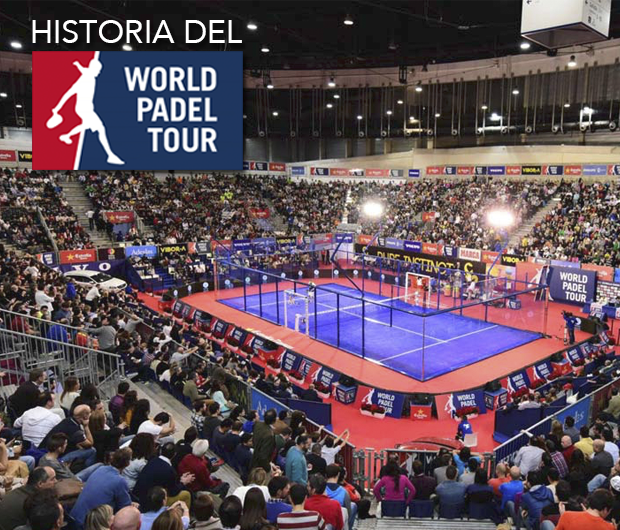
The history of the World Padel Tour
Born in Mexico in the 70s, padel is now one of the most popular sports in Spain, not only among fans who seek to enjoy a truly entertaining physical activity and a beneficial physical demand that does not require strenuous efforts, but also among many high-performance athletes. It is precisely in the professional sphere that this sport has found a particularly fertile niche for development.
This is demonstrated by the emergence of the World Padel Tour, the most recognized professional padel circuit in the world and the most important international event in its sphere, with new editions each year.
The origin of the World Padel Tour
Replacing the old professional circuit known as Padel Pro Tour, which ran until 2012, and initiated by organizers belonging to various international groups such as the Argentine Association of Professional Padel Players (AJPP) and the Spanish Women's Padel Association (AFEP), the World Padel Tour was inaugurated in 2013, with Barcelona as its initial venue.
From this moment on, at the end of the regular season of annual qualifiers, pairs are selected to compete in the grand final master.
The World Padel Tour consists of approximately 20 traveling tournaments (depending on the year) for both men's and women's categories, culminating in a major master event.
Completing the circuit during the previous season
The World Padel Tour features the best international padel players (among whom the great figures from Spain, Argentina, and Brazil stand out) who, during the season prior to the circuit's development in various cities and countries, compete for a spot in the grand annual event and, at the same time, a place in the final master where the pairs of players who rank highest face each other.
Prize money usually varies from year to year, as in the last edition where prizes awarded in the Open and Challenger categories were slightly reduced, while those in the Master and final Master categories, which by regulation offer greater benefits, experienced significant growth.
https://www.youtube.com/watch?v=zYsEdODrka0The most recent changes
The internal regulations of the World Padel Tour and its recent modifications continue to be managed, as they have been since 2013, with the help of Setpoint Events S.A, a Spanish agency dedicated to the organization of professional sports and cultural events.
For the 2016 edition of the World Padel Tour, which started in March in Gijón, several internal changes were made to the number of Master, Open, and Challenger tournaments, in addition to varying prizes and the number of players entering the final draw. This change made it possible to set higher prize amounts but also to reserve funds to augment the prizes for finalists and pairs who achieve the overall score required to enter the final master tournament.
It should be noted that even if their monetary gains might be reduced, the career projection gained by participating in this celebrated circuit is truly invaluable, with investments by brands in World Padel Tour players currently growing.
We must highlight this year 2016 as one of the historic ones in terms of the enormous change in partnerships that has occurred among the World Padel Tour players, making it truly interesting for fans of this sport to see their reactions in the fight to dethrone the current number 1s, Fernando Belasteguín and Pablo Lima.
A circuit for the 'digital era'
Another of the most important changes in the latest edition of the World Padel Tour is the incorporation of new communication, promotion, and dissemination strategies which are supported by numerous resources of the digital era. This is how it is now possible that social networks and other resources like live streaming of the World Padel Tour (this year fans and professionals can access live broadcasts of all matches) are not being fully utilized to expand the horizons of padel and bring it to more and more corners of the world.