Nutrition in padel

NUTRITION IN PADEL
Today, this sport has grown exponentially in Spain. It's incredible to see how in just a few years there are so many people across the country playing padel, but it's important to consider that this growth is due to how easy it is to get on the court and start playing a bit. Of course, there are many levels and degrees of passion, but what is very clear is that it's a different sport because it's a social sport, which means that both before and after the match, players often gather for a few beers, some appetizers, or simply a soft drink, discussing the points played.
The vast majority of players of this sport are at a low to intermediate level, and many people who are obese or more than 10 kilos overweight play this sport because they see that it doesn't require a great physical effort to practice it (at that level, of course).
Nutrition in Padel
In this sport, if we want to be quick during the game, we need good nutrition, and it is also fundamental for preventing injuries, as well as for having energy to play the entire match with vigor. And of course, we must be well-hydrated.
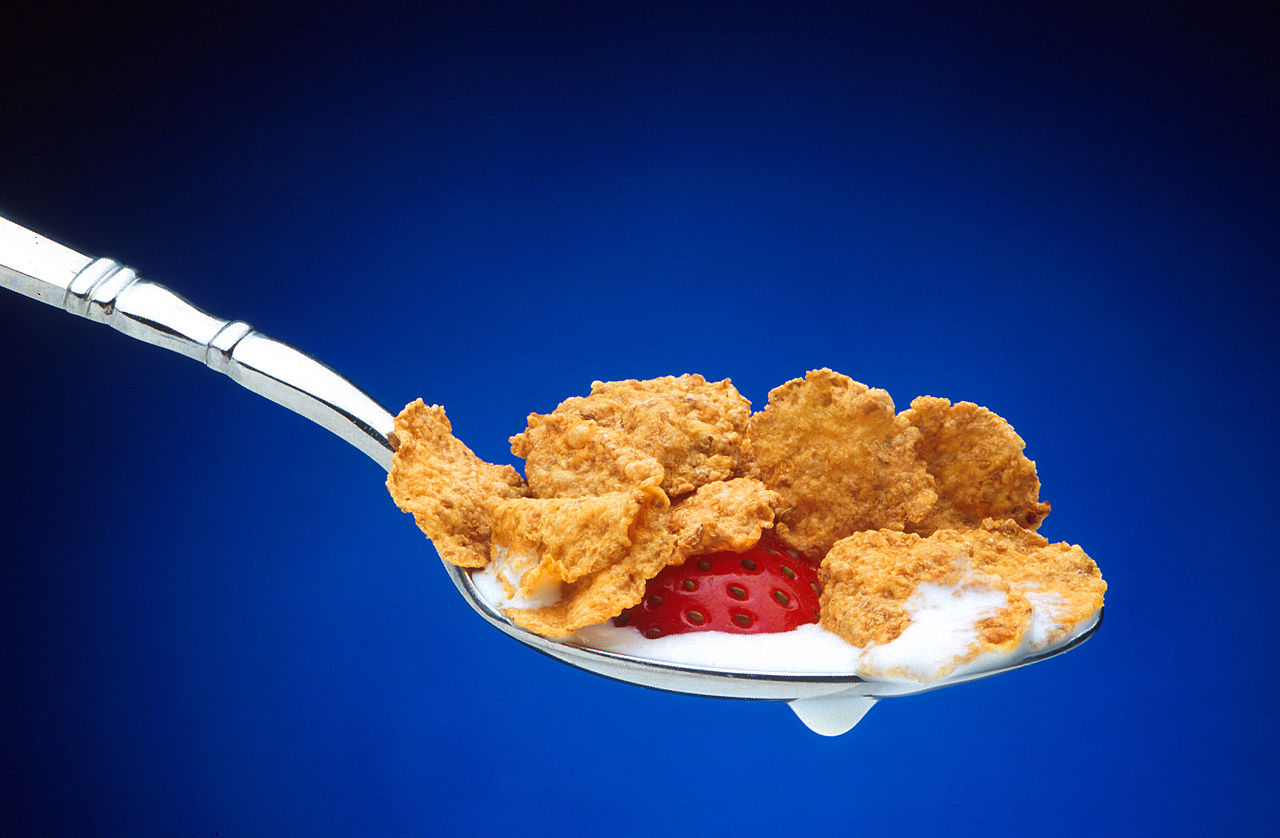 It is advisable to consume carbohydrates before playing as they are the fuel for our body thanks to the formation of glycogen through their combustion, allowing us to play up to 2 hours of match with energy. Proteins are another basic pillar and after the match it would be advisable to ingest the highest possible percentage of proteins, to nourish the muscle and promote its recovery from wear and tear.
The body is a machine and food and water are the fuels that allow it to function. If our food is good and healthy, we will have more energy and will be able to play better, because something very important happens: when we are tired, the first thing the body loses is coordination and then strength. These are two of the basic qualities for almost all existing sports, which makes clear the importance of a varied diet. Fats are also essential for hormone production and due to the large amount of energy released from their combustion, but only unsaturated fats are good.
SUMMARY:
Proteins provide almost no instant energy, so if we consumed proteins and not carbohydrates before playing, we could feel tired or low on energy during the match. With carbohydrates, we have enough energy to perform the activity, and afterwards, we would need proteins for muscle tissue recovery.
A minimum of 1.5 to 2 liters of water should be consumed daily, but it is important that the intake of the drink is not during meals, but mostly an hour before or two hours after eating. During the meal, half a glass or one glass is more than enough.
It is advisable to consume carbohydrates before playing as they are the fuel for our body thanks to the formation of glycogen through their combustion, allowing us to play up to 2 hours of match with energy. Proteins are another basic pillar and after the match it would be advisable to ingest the highest possible percentage of proteins, to nourish the muscle and promote its recovery from wear and tear.
The body is a machine and food and water are the fuels that allow it to function. If our food is good and healthy, we will have more energy and will be able to play better, because something very important happens: when we are tired, the first thing the body loses is coordination and then strength. These are two of the basic qualities for almost all existing sports, which makes clear the importance of a varied diet. Fats are also essential for hormone production and due to the large amount of energy released from their combustion, but only unsaturated fats are good.
SUMMARY:
Proteins provide almost no instant energy, so if we consumed proteins and not carbohydrates before playing, we could feel tired or low on energy during the match. With carbohydrates, we have enough energy to perform the activity, and afterwards, we would need proteins for muscle tissue recovery.
A minimum of 1.5 to 2 liters of water should be consumed daily, but it is important that the intake of the drink is not during meals, but mostly an hour before or two hours after eating. During the meal, half a glass or one glass is more than enough.